The video this article came fromOpen on YouTube ↗
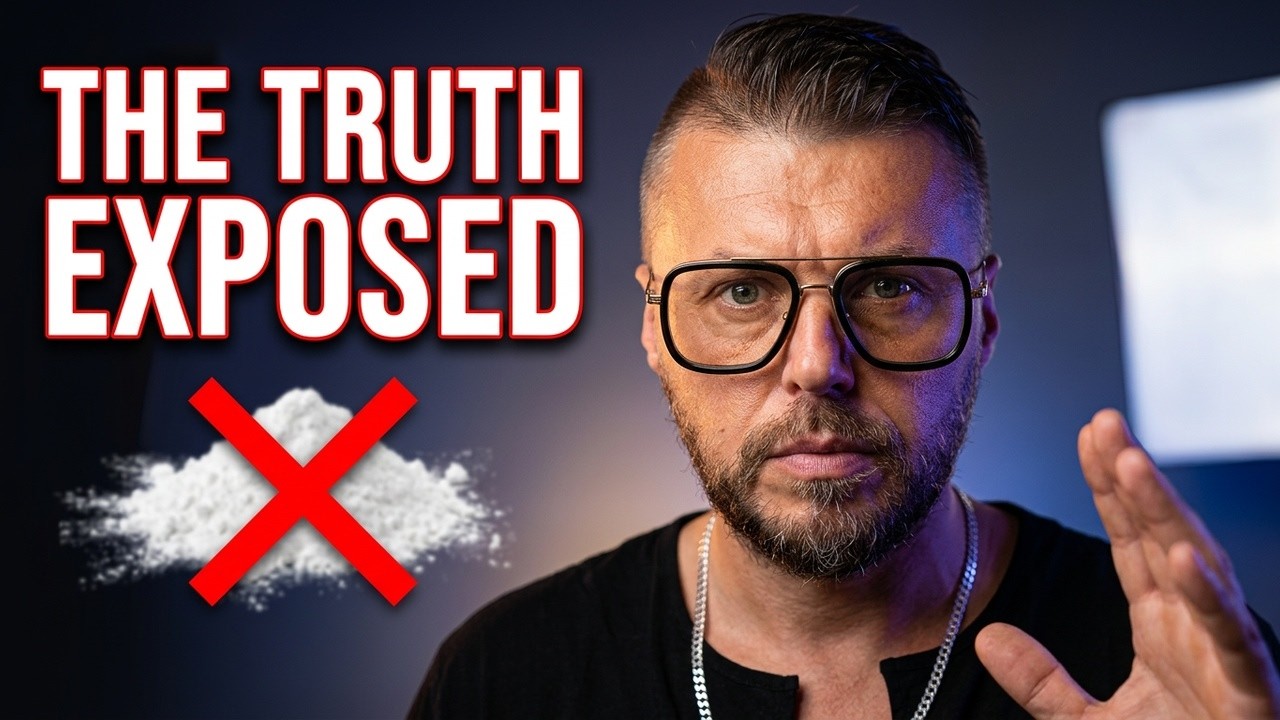
I have heard people say cocaine is not that bad, it's a toy drug, you can overdose and die but you can die of alcohol poisoning too. This piece is the start of a series on how substances and addiction affect gay relationships, and I want to lay out the ground: what addiction is, what it is not, what it does to the person who loves someone with it, and what you can actually do.
Why I talk about this
I'm Eugene Berezin, a Registered Hypnotherapist in Washington State. I hold the SUDPT credential with the Washington Department of Health, which is why alcohol and substances are part of my practice. In the past I worked as a psychologist and psychotherapist in Moscow, and in the United States as a youth counselor, social work professional and case manager, mostly with LGBTQ+ people and people with disabilities. I also have lived experience. Since I was a small child there were family members with different addictions: my biological father had a gambling addiction, and alcohol was constantly present. This is personal.
We do not have many resources in our community for this. Substances affect gay men on a deep level, starting with the fact that in many cities the safe place to be yourself is a gay bar. And once you are on Sniffies or Grindr, you see how many guys are proposing chemsex and party and play.
What addiction is
You can be dependent on a substance, you can be addicted to it, or your loved one can be. Addiction is a disease and a clinical diagnosis: alcohol use disorder, cannabis use disorder and the rest are in the DSM-5. People get divorced and break up because of it. It is a big deal, and we have very little education about it. We treat some drugs as safe and some as acceptable, depending on who is defining it.
Being addicted is not a choice. Starting is a choice: you go to a bar and drink, you go regularly and keep drinking. But when the brain starts rewiring itself around the substance, that is no longer a choice, it is a disease. Blaming someone for their addiction is like blaming the person who ate the cupcake and became diabetic while the person next to them did not. We don't blame the diabetic. It is still completely fine to keep your boundaries and to learn how to navigate this.
What it does to you
People who live with someone with an addiction carry a high level of stress, and many develop what the older literature calls codependency: your inner state depends on whether they are using or not. Your mood depends on it. You become hypervigilant. Oh no, he's stressed. Oh no, he's about to go drink, use, snort. That hypervigilance is very common in family members and partners, and it is one of the things I work with.
Two more things to know. Lapses and relapses are part of the journey. A lapse is a single use: someone recovering from drinking has a drink but does not go back to drinking the way they did. A relapse is going back to the old level or beyond. Neither erases the progress. What both sides need is consistency: support, boundaries, presence and self-care from you, persistence from them. And sometimes people become addicted together. You think, if I drink with him I can control the pace, I'll slow down and he will slow down. In reality you both end up addicted. It happens in families, and it is sad.
A small personal note on relapse
I smoked cigarettes for about fifteen years and quit recently. I had five or six lapses that turned into relapses before I did. Nicotine is not a small thing either; it causes cancer and it damages the brain and the blood vessels. If you want to quit smoking, that is something hypnotherapy is good at and something I work with.
What I do, and what I don't
If you are the partner, the person living with someone's drinking or using, that is squarely my work: the vigilance, the sleep, the patterns you keep repeating, in clinical hypnotherapy with motivational interviewing and parts work. If you are the one using and you want a gay practitioner from the community, I can be part of your care team alongside your doctor, your therapist or your addiction counsellor, and we decide together which parts of your recovery to work on. What I do not do is treat substance use disorder on my own, as a standalone service; under my SUDPT credential that happens in appropriate settings, not independently, and I will say so and refer you. And if there is physical violence in the house, safety comes before any of this. Get yourself safe and talk to a professional.
If this is where you are, start here and request an appointment. Tell me who is drinking or using, and who else is already helping.
If this is where you are
I work with this one to one, online, wherever you are.
If the person you love is drinking or using →
Request an appointment (opens the secure SimplePractice appointment request form in a new tab)
